Illegally selling access to surveillance cameras: website shut down
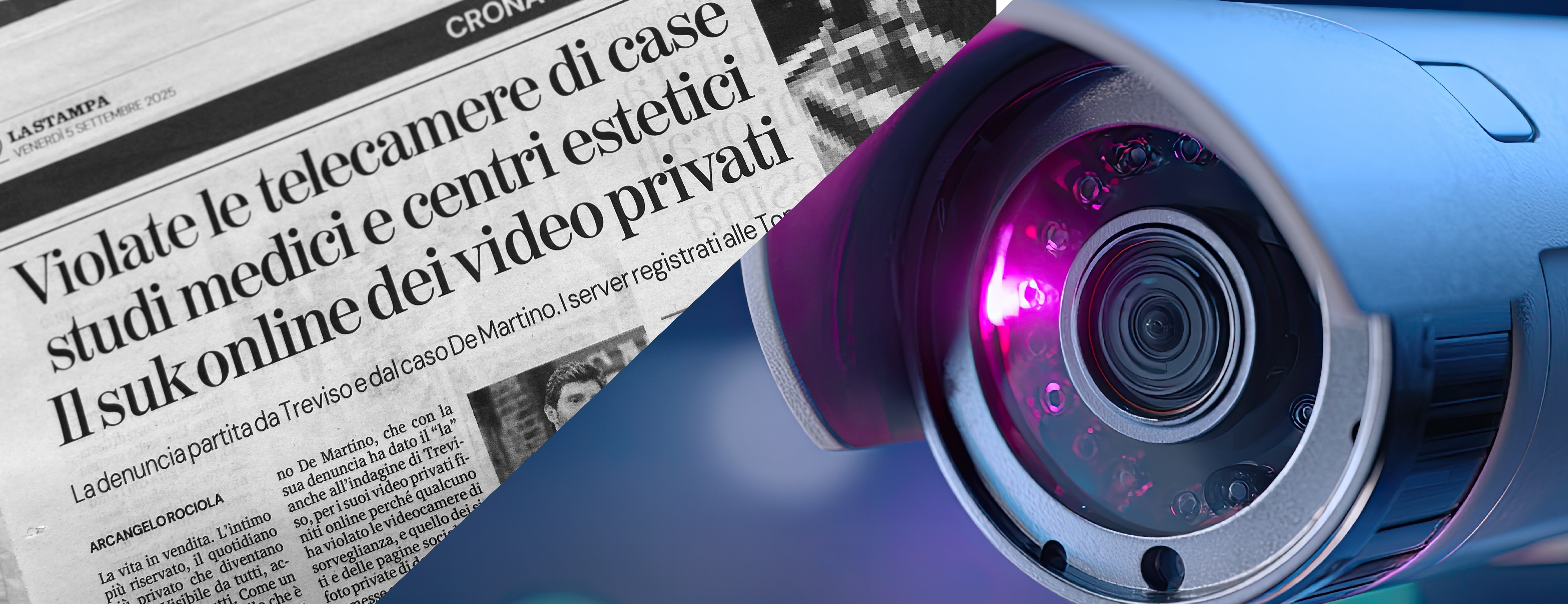
At the end of August, Yarix, the Var Group brand specialized in cybersecurity, identified a portal on the clear web that collected thousands of audio-video recordings, mostly pornographic in nature, illegally stolen from more than 2,000 home surveillance cameras and from places such as beauty salons or medical offices.
The portal allowed users to view short excerpts of these recordings for free, while also offering the possibility to purchase access to the cameras, granting entry to additional content or even control of the cameras themselves.
The website, active since at least December 2024 and registered in Tonga, not only offered free short previews of recordings, but also direct paid access to compromised cameras — some of which had generated over 20,000 views.
The impact of this discovery was enormous: the news was picked up by dozens of online publications, national and local TV broadcasters, and numerous industry portals, helping raise public awareness about the security of IoT devices and the protection of personal data.
From major generalist newspapers to tech and cybersecurity outlets, and even TV newscasts: the Yarix investigation shed light on a phenomenon that is as invisible as it is dangerous.
An initial result was the removal of videos from cameras located in Italy, although the site itself remained active.
The website and the Telegram channel at the center of the investigation were shut down on Friday, September 12, shortly before 12:00 PM.
However, other websites and Telegram channels identified during the investigation by the Yarix Cyber Threat Intelligence team remain active, offering similar services and collecting tens of thousands of videos from all over the world.
This is a real underground market with price lists, subscriptions, and even rewards.
Behind search engines lies a parallel network of platforms accessible only through unindexed addresses or links exchanged in closed messaging chats, a phenomenon that continues to fuel voyeurism and demonstrates how vulnerable the privacy of those who install security cameras in their homes or workplaces can be, if not properly protected.